






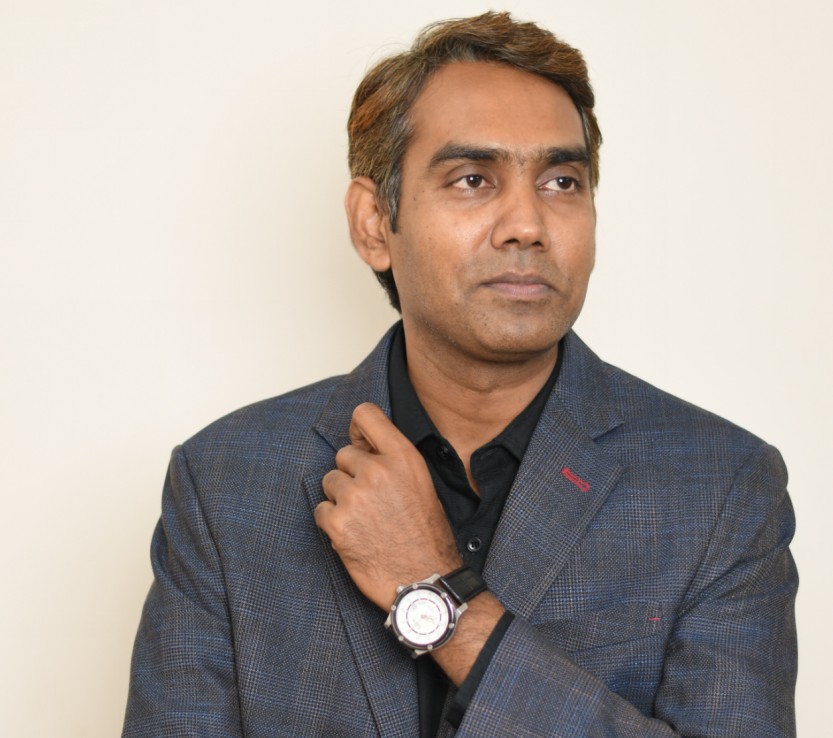
Md Kamruzzaman, widely recognized as Babu Kamruzzaman, is a celebrated journalist with over a decade of experience in economic and business reporting. Known for creating the popular program Hatbazar, which brought rural economies and supply chains to light on Channel 24, he has earned widespread acclaim for his insightful coverage.
_Recently, as a member of the Bangladesh Agricultural Journalists’ Forum (BAJF), Kamruzzaman participated in a specialized workshop on agricultural journalism. He has increasingly focused on this field, recognizing its crucial role in shaping Bangladesh’s economic and social future. In an exclusive interview with agriculture-focused news portal Agricare24.com_ , conducted by its Senior News Editor Abu Khalid, Mr. Kamruzzaman shares his insights on the importance of agricultural journalism, the challenges faced by farmers, and the media’s role in bridging knowledge gaps. Date: March 06, 2025
agricare24: Mr. Kamruzzaman, agriculture is the backbone of Bangladesh’s economy. How do you see the role of journalism in this sector?
Md Kamruzzaman: Agriculture indeed plays a vital role in our economy and the livelihood of millions. Journalism in this sector is essential to highlight the challenges faced by farmers, such as access to modern technology, fair pricing, and climate resilience. By informing policymakers and the public, journalism can foster informed discussions and drive the adoption of innovative solutions. It’s about giving a voice to those who form the backbone of our nation.
agricare24: You recently participated in a training program on agricultural journalism. How has it influenced your perspective on reporting in this field?
Md Kamruzzaman: The training program was a transformative experience. It allowed me to understand the nuances of agricultural reporting, from analyzing farming practices to covering policy decisions. I realized how critical it is to approach agricultural journalism with a solutions-oriented mindset, focusing not just on problems but also on potential remedies. For example, showcasing success stories of innovative farming methods can inspire others and encourage broader adoption.
agricare24: What do you think are the biggest challenges faced by farmers today, and how can journalism help address them?
Md Kamruzzaman: Farmers in Bangladesh face numerous challenges, including unpredictable weather patterns, rising input costs, and limited market access. Additionally, a lack of awareness about modern farming techniques and financial literacy hinders their growth. Journalism can help by raising awareness of these issues, advocating for policy changes, and educating farmers through accessible and practical information. Media platforms can bridge the gap between experts and farmers, ensuring the latest advancements reach rural areas.
agricare24: How can digital transformation improve agricultural journalism?
Md Kamruzzaman: Digital tools have revolutionized journalism, and agricultural reporting is no exception. Platforms like mobile apps and social media can provide real-time updates on weather forecasts, market prices, and government policies. Data visualization can make complex information more digestible for policymakers and stakeholders. Additionally, digital platforms allow journalists to connect directly with farmers, creating a two-way communication channel that fosters transparency and trust.
agricare24: What role do you see for journalists in promoting sustainable agricultural practices?
Md Kamruzzaman: Journalists have a significant role in advocating for sustainability. By highlighting the benefits of practices like organic farming, crop diversification, and water conservation, we can encourage their adoption. It’s also crucial to emphasize the long-term economic and environmental advantages of sustainability, making it clear that these practices benefit not only the environment but also farmers’ incomes.
agricare24: You have been a mentor to many aspiring journalists. What advice would you give to those looking to specialize in agricultural journalism?
Md Kamruzzaman: My advice would be to approach agricultural journalism with empathy and curiosity. Spend time with farmers, understand their challenges, and tell their stories authentically. Building a strong foundation in agricultural policies, climate science, and rural economics is essential. Additionally, staying updated on digital tools and platforms can help you reach a broader audience and have a greater impact.
agricare24: What do you think the future holds for agricultural journalism in Bangladesh?
Md Kamruzzaman: The future is promising. As agriculture continues to evolve, there will be a growing demand for journalists who can translate complex issues into actionable insights. With the right tools and training, agricultural journalism can become a powerful force for change, promoting innovation and resilience in the sector. I’m optimistic that this field will gain more recognition and support in the coming years.
agricare24: Finally, what is your vision for the agricultural sector in Bangladesh?
Md Kamruzzaman: My vision is for a resilient, innovative, and sustainable agricultural sector that empowers farmers and ensures food security for all. This requires collaboration among farmers, policymakers, researchers, and journalists. By working together, we can overcome challenges and unlock the full potential of Bangladesh’s agriculture.
agricare24: Thank you for sharing your valuable insights, Mr. Kamruzzaman. We wish you success in your endeavors.
Md Kamruzzaman: Thank you. It’s been a pleasure to discuss these important topics. I look forward to continuing to contribute to the growth of agricultural journalism in Bangladesh.